Beautiful Hardwood Begins with Practical Everyday Habits
Hardwood can bring warmth and natural character to a home, but keeping it looking its best requires some attention to the conditions around it. In Lynnwood and the surrounding Pacific Northwest, wet footwear, tracked-in grit, seasonal humidity changes, and occasional spills can all influence how a wood floor looks and performs over time.
Protecting hardwood does not mean treating the entire home as a restricted area. It means understanding how wood responds to moisture and using a few sensible habits to reduce unnecessary exposure. The flooring product, its finish, the installation method, and the home's indoor conditions all play a role.
Whether you are considering new hardwood or already have wood floors, a practical maintenance plan can help you preserve their appearance while continuing to enjoy the comfort and character they bring to your home.
Understand Why Moisture Matters to Wood
Wood is a natural material that responds to changes in moisture conditions. As its moisture content changes, the boards can expand or contract. Depending on the product, installation, and environmental conditions, these changes may contribute to gaps, cupping, or other movement.
A small amount of everyday moisture does not automatically damage a hardwood floor. The concern is prolonged or repeated exposure, water that reaches vulnerable joints, and conditions that remain outside the product's recommended range.
This is why it is important to distinguish between a brief spill that is promptly cleaned and a leak that remains unnoticed beneath an appliance or along a wall. The amount of water, the duration of exposure, and the floor's construction all affect the potential consequences.
If you notice persistent swelling, discoloration, unusual gaps, or changes in the board edges, investigate the cause rather than assuming the problem is simply cosmetic.
Create a More Effective Entryway
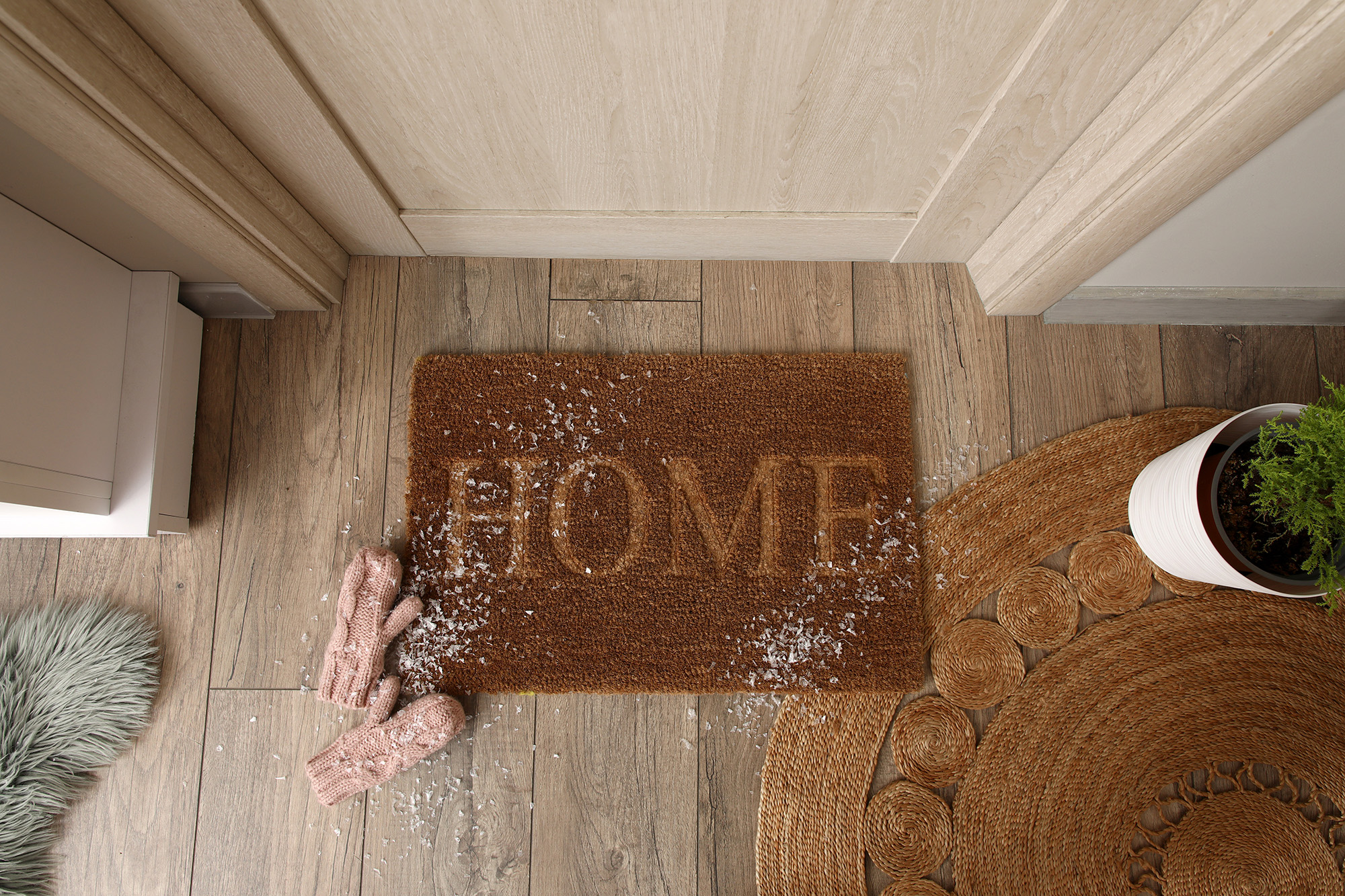
The entryway is one of the most useful places to protect hardwood. Shoes can carry moisture, grit, leaves, and fine debris into the home, particularly during wet weather.
A suitable entrance mat can help capture dirt and water before they reach the floor. Where space allows, using an exterior mat to remove larger debris and an interior mat to absorb remaining moisture can create a more effective entry system.
Choose mats that are compatible with the flooring finish. Some backings may discolor or interact with certain surfaces, so check the hardwood manufacturer's recommendations before placing a mat on the floor. Mats should also lie securely to reduce the risk of slipping.
A dedicated place for shoes, umbrellas, and wet outerwear can make the routine easier to maintain. The more convenient it is to leave wet footwear near the entrance, the less likely moisture will be carried into other rooms.
Clean Up Spills Promptly
Prompt spill cleanup is one of the simplest ways to reduce unnecessary moisture exposure. Water from a tipped glass, a pet's bowl, or wet footwear should be removed rather than left to evaporate naturally.
Use a soft, suitable cloth to absorb the moisture, then follow the flooring manufacturer's cleaning instructions if additional treatment is needed. Avoid flooding the area with cleaning solution or using excessive water during cleanup.
Pay attention to places where spills may go unnoticed, including beneath plant containers, around pet water bowls, and beside refrigerators or dishwashers. Protective trays may be useful in selected areas, provided they do not trap moisture against the floor or introduce incompatible materials.
If water has reached beneath the boards or the floor shows signs of swelling, surface cleaning may not be enough. Investigate the extent of the exposure and seek professional advice where appropriate.
Keep Grit from Acting Like Sandpaper
Moisture is not the only challenge for hardwood. Fine grit and debris can be carried inside on shoes, pet paws, and bags. As people walk across the floor, these particles may contribute to small scratches and surface wear.
Regular sweeping or vacuuming with a suitable hard-floor attachment can help remove loose debris before it is dragged across the finish. Avoid tools that may scratch the surface, and follow the manufacturer's guidance for cleaning equipment.
Furniture pads can also help reduce damage caused by chair legs, tables, and other items that move across the floor. Check the pads periodically to make sure they remain clean and securely attached.
For furniture that must be moved, use an appropriate lifting or moving method rather than dragging it across the boards. These small habits can help preserve the finish without requiring major changes to everyday routines.
Manage Indoor Humidity Consistently
Hardwood responds to changes in the surrounding environment, so indoor humidity deserves attention alongside surface cleaning. Seasonal conditions, heating, ventilation, and air conditioning can all influence the indoor environment.
Follow the flooring manufacturer's recommendations for temperature and relative humidity. Avoid assuming that one universal humidity target is appropriate for every wood product or home. The correct range depends on the product and installation requirements.
If your home experiences substantial seasonal changes, ask whether a humidity-monitoring device or other environmental controls may be useful. Consistent indoor conditions can help reduce unnecessary movement, although they cannot eliminate all natural changes in wood.
New hardwood installation should also account for the moisture condition of the subfloor and the environment. A qualified flooring professional can assess these factors and help determine whether the site is ready for installation.
Understand the Limits of Different Hardwood Products
Solid and engineered hardwood have different constructions, and each product comes with its own installation and maintenance requirements. Engineered hardwood uses a real-wood surface over a constructed core, while solid hardwood is made from a single piece of wood.
These differences can influence how the products respond to environmental changes, but neither type should be considered immune to moisture problems. Water intrusion, unsuitable installation conditions, or prolonged exposure can affect both.
The finish also matters. Some products may tolerate routine cleaning differently from others, and refinishing options depend on the construction and remaining wear layer. Check the manufacturer's instructions rather than relying on general assumptions about hardwood.
When selecting a floor, consider the room's location, expected moisture exposure, and the household's maintenance habits. The best choice is the product whose specifications suit the actual environment.
Be Careful with Steam Mops and Excessive Water
Steam mops and very wet cleaning methods may be unsuitable for many hardwood floors. Heat and moisture can affect the finish, seams, and wood beneath the surface, depending on the product and installation.
Instead, follow the manufacturer's recommended cleaning method and use only approved products. A cleaning tool marketed as suitable for multiple flooring types may not be appropriate for every hardwood finish.
Avoid pouring water directly onto the floor or leaving wet cleaning cloths in place. If a cleaning method leaves visible moisture behind, check whether it is permitted for your particular flooring.
If you are uncertain about the product's maintenance requirements, consult the installation documentation or ask a flooring professional before trying a new cleaning method.
Recognize When a Water Problem Needs Attention
Some moisture-related issues are easy to identify, such as a visible spill. Others develop more gradually and may appear as changes in board edges, discoloration, unusual odors, or areas that feel different underfoot.
If a plumbing leak, appliance failure, or significant water event occurs, stop the source if it is safe to do so and address the water promptly. Keep people away from any electrical hazards, and seek appropriate assistance if the leak is substantial.
Do not assume that drying the visible surface means the entire floor assembly is dry. Water can travel beneath flooring, into the subfloor, or behind baseboards. The appropriate response depends on the amount of water, the duration of exposure, and the construction of the floor.
A professional assessment may be necessary if the boards have changed shape or moisture remains trapped beneath the surface. Early investigation can help identify the cause and determine what repair is appropriate.
Plan Furniture and Rugs with Care
Rugs can help protect selected areas from everyday wear, but they should be chosen carefully. Use compatible rug pads and check that the backing will not discolor or damage the hardwood finish.
In rooms with substantial sunlight, rugs can also create differences in how the floor ages or changes color. Moving rugs and furniture occasionally, where practical, may help the floor's appearance develop more evenly.
Heavy furniture should be positioned and moved with care. Suitable protective pads can help reduce scratching, while lifting furniture rather than dragging it can prevent avoidable damage.
These steps are especially useful in frequently used areas such as dining rooms, family rooms, and home offices, where chairs and furniture may move regularly.
Make Maintenance Part of Your Flooring Plan
Hardwood care is easier when the household has a routine. Regularly removing dust and grit, cleaning spills promptly, checking areas around appliances, and maintaining suitable indoor conditions can all contribute to long-term performance.
The routine should reflect the specific flooring product. Finish type, construction, and manufacturer instructions determine which cleaners and methods are appropriate.
When planning new hardwood, ask about expected maintenance, refinishing possibilities, and any environmental conditions that could affect performance. Understanding these requirements before installation can help you choose a floor that fits your lifestyle.
Enjoy Hardwood with Confidence
Hardwood does not have to be difficult to live with in the Pacific Northwest. A practical entryway, prompt spill cleanup, regular removal of grit, and attention to indoor conditions can help reduce common sources of damage.
The most important step is to understand the specific floor you have or plan to install. Product construction, finish, and installation requirements should guide the maintenance routine rather than general assumptions about all wood flooring.
Explore the
hardwood flooring selection at NW Floor Coverings if you are considering a new floor. For advice on your project and the details to review before making a decision, visit the
contact page.