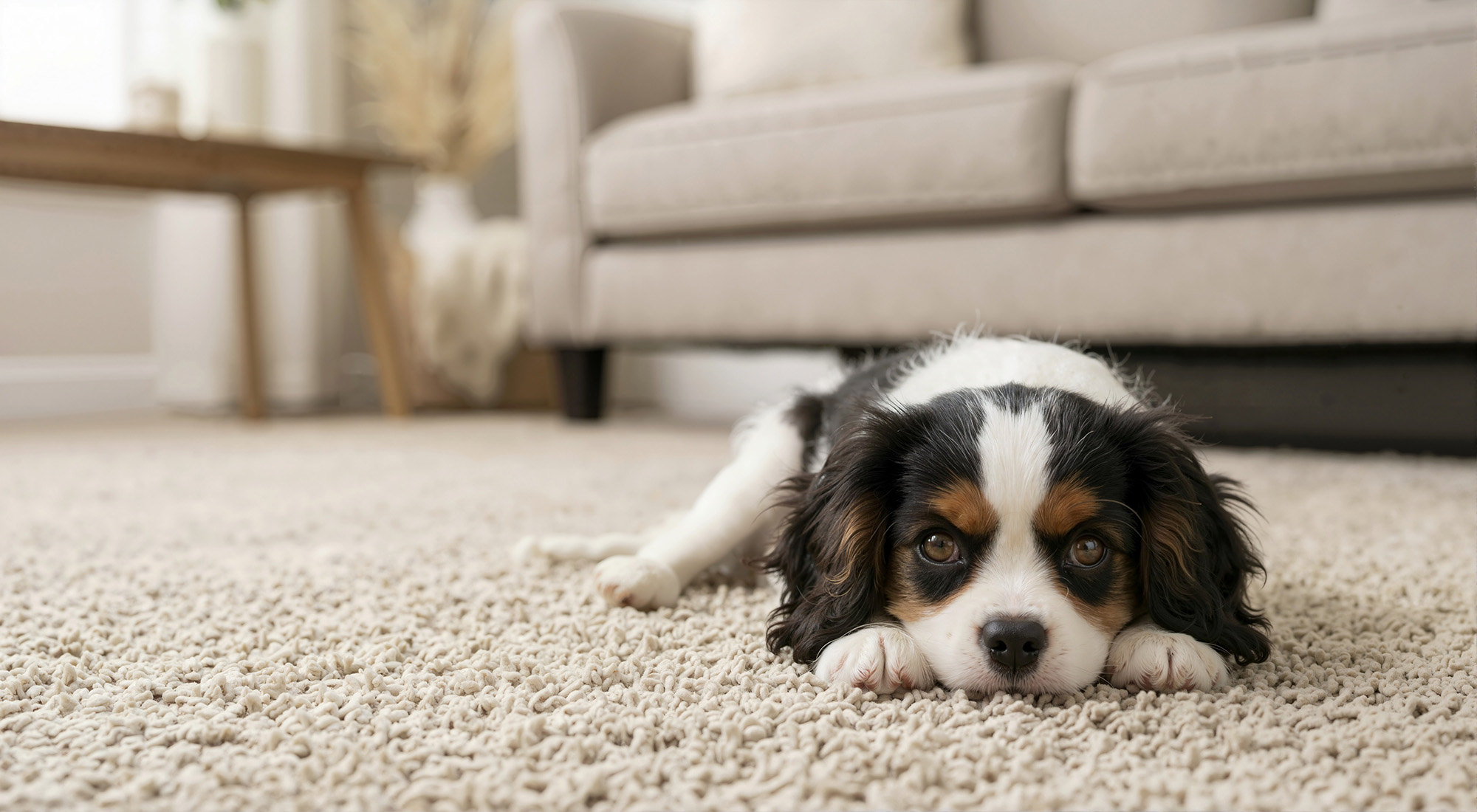
A Home for Pets Should Still Feel Like Home
Pets change the way a home is used. Dogs race toward the door when someone arrives, cats claim their favorite sunny corners, and paws carry in everything from loose dirt to moisture after time outdoors. For homeowners who love the comfort of carpet, these everyday realities can make choosing the right flooring feel like a balancing act.
The good news is that pet-friendly carpet does not have to mean settling for a plain, uninspiring surface. Modern carpet comes in a wide range of colors, textures, constructions, and performance characteristics. The right product can complement your interior design while making sense for the routines of a household with animals.
For homeowners in Lynnwood, Washington, it is worth considering how pets use each room, how often the carpet will need cleaning, and which product characteristics matter most. A carpet that works well in a lightly used guest bedroom may not be the best choice for a family room where pets spend much of the day.
Start with Your Pet's Habits
Before comparing carpet samples, think about the way your pet moves through the home. Does your dog run straight from the yard to the living room? Does your cat spend hours sleeping beside a window? Are there areas where pets eat, drink, play, or rest regularly?
These habits can help identify where carpet will work best and which features deserve attention.
A quiet bedroom may be suitable for a softer, more luxurious carpet. A family room used by pets and children may benefit from a construction designed for regular traffic and easier maintenance. In an entryway that frequently becomes wet or muddy, a different flooring material may be more practical than carpet.
It is also helpful to consider the animal's age and behavior. Puppies and kittens may have accidents while learning household routines, while older pets may need flooring that supports comfortable movement. There is no single carpet specification that solves every concern, so choosing around actual behavior is more useful than relying on a general pet-friendly label.
Understand the Importance of Carpet Fiber
Carpet fibers influence the way a product feels, wears, and responds to cleaning. Different fibers have different strengths, and the best option depends on the carpet's construction as well as the demands of the room.
Nylon is commonly used in residential carpet and is available in constructions designed for a range of traffic levels. Polyester is another option, often available in a wide variety of colors and textures. Other fibers may offer different characteristics, but no fiber should be selected without considering the complete product.
Ask about stain resistance, cleaning instructions, wear performance, and suitability for homes with pets. The backing, pile construction, and carpet density can also influence how the installed floor performs.
It is important to distinguish between stain resistance and resistance to every type of accident. Some products may be designed to resist certain stains, but prolonged exposure to liquids or unsuitable cleaning products can still cause problems. Follow the manufacturer's guidance and clean spills promptly.
Choose Texture for Everyday Living
Carpet texture affects both appearance and practical use. A smooth, plush surface can feel luxurious underfoot, while a textured construction may provide a more casual appearance that suits busy living areas.
Loop-pile carpet can offer a distinctive woven look, but homeowners with cats should consider the possibility of claws catching on loops. The suitability depends on the specific construction and the animal's behavior. Cut-pile options may be worth comparing if snagging is a concern.
Textured carpet can also help soften the appearance of footprints and some everyday marks, depending on the product's color and construction. This can be useful in rooms where pets regularly walk between resting areas.
Rather than choosing solely by touch, examine the carpet sample closely and ask how its construction is intended to perform. Consider the household's cleaning routine and whether the surface will suit the pet's habits.
Select Colors That Work with Fur and Interior Design
Carpet color can influence how much pet hair and everyday debris are noticeable between cleanings. A very dark carpet may make light-colored fur stand out, while a pale carpet may reveal darker hair. Mid-tone colors and subtle variation can sometimes make these differences less conspicuous, although the result depends on the pet's coat and the carpet's design.
Warm taupe, soft brown, muted beige, and mixed neutral tones can complement many interior styles. These shades can also coordinate with natural wood furniture and the warm finishes that are popular in contemporary homes.
Color should still reflect the room's design. A patterned carpet can introduce personality to a simple interior, while a more understated surface may work better when the furniture and walls already contain strong patterns.
Take samples home and compare them with the pet's fur, the furniture, and the room's lighting. This practical step can help you understand how the carpet will look during ordinary use rather than only when it is freshly cleaned.
Think Carefully About Pile Height and Density
Carpet pile height affects how the surface feels and how easily debris can be removed. A deeper pile may feel soft and luxurious, but it can require a different cleaning routine from a shorter, denser construction.
For busy households, consider how easily the vacuum can remove pet hair and loose dirt. The right choice depends on the carpet's construction and the equipment recommended for it. Some carpet types may require particular vacuum settings or attachments.
Density and overall construction matter as well. A carpet should be evaluated according to its intended use, not just how thick it feels in a sample. Ask about the manufacturer's performance guidance and whether the product is appropriate for the traffic level in the room.
If your pet spends much of the day in one location, consider how that area may experience repeated pressure. Regular maintenance and suitable product selection can help, but no carpet is completely immune to wear or compression.
Build a Practical Cleanup Routine
Even a carpet designed for busy households needs regular care. Pet hair, dust, tracked-in dirt, and occasional spills can accumulate if they are not addressed.
Routine vacuuming helps remove loose debris before it becomes embedded. The appropriate frequency depends on how many pets live in the home, how much time they spend indoors, and how heavily the room is used.
For spills and accidents, follow the carpet manufacturer's cleaning instructions. Remove excess liquid promptly, use suitable cleaning products, and avoid scrubbing aggressively if doing so could damage the fibers or spread the stain. Some situations may require professional cleaning.
If odors persist or a liquid has penetrated into the carpet backing or cushion, surface cleaning may not be enough. Address the source rather than masking the smell with fragrance products.
Before buying, ask which cleaning methods are approved for the specific carpet. A product's maintenance requirements should fit the household's routine.
Don't Overlook the Carpet Cushion
The cushion beneath carpet affects the feel of the finished floor and can influence how the carpet performs. It should be selected according to the carpet manufacturer's recommendations and the intended application.
A cushion that feels very soft is not automatically the best choice. The appropriate density and thickness depend on the carpet construction and the room's use. Using an unsuitable cushion can affect support, appearance, and long-term performance.
Homes with pets may also benefit from discussing spill-related considerations for the complete carpet system. Some products and cushion systems are designed with specific features intended to help manage spills, but performance varies. Ask what the product actually provides and what happens if a liquid reaches the backing or cushion.
Choosing the carpet and cushion together helps ensure that the complete installation meets the intended requirements.
Plan for Entryways and Wet Weather
In the Lynnwood area, wet footwear and tracked-in debris can be part of everyday life during rainy periods. Pets can bring in moisture and dirt as well, particularly after outdoor walks.
A practical entry setup can help reduce the amount of debris that reaches carpeted rooms. Suitable mats, a convenient place to clean or dry paws, and a designated area for wet footwear can make a noticeable difference.
If the entryway regularly becomes wet or muddy, consider whether carpet is the best surface for that specific location. A suitable hard-surface floor near the door may be easier to maintain, with carpet reserved for bedrooms and living areas where softness is more valuable.
The goal is to choose materials for each room according to its demands rather than expecting one surface to work equally well everywhere.
Make Comfort Part of the Decision
Pet-friendly flooring should not be evaluated only by how well it handles messes. Comfort matters, too. Carpet provides a softer surface for resting and can help make a room feel warmer and more inviting.
Bedrooms, reading areas, and family rooms may be good places to consider carpet if the product's maintenance requirements suit the household. In a home where pets share furniture and living spaces, the right texture and color can help create an environment that feels relaxed without appearing neglected.
Sound is another consideration. Carpet can absorb some sound within a room and may reduce the noise associated with footsteps compared with many hard surfaces. The actual effect depends on the carpet construction, cushion, installation, and room design.
A comfortable home is one that accommodates both the people and the animals who live in it.
Find a Carpet That Fits Your Household
The best carpet for a home with pets is not necessarily the darkest, shortest, or most expensive option. It is the product whose fiber, construction, texture, color, and maintenance requirements suit the way the household actually lives.
By considering your pet's habits, planning for routine cleanup, choosing suitable cushion, and managing moisture at entryways, you can make a more informed flooring decision without sacrificing style.
Explore the
carpet options at NW Floor Coverings to compare colors, textures, and constructions. If you would like to discuss your home, pets, and flooring priorities, visit the
contact page to get started.