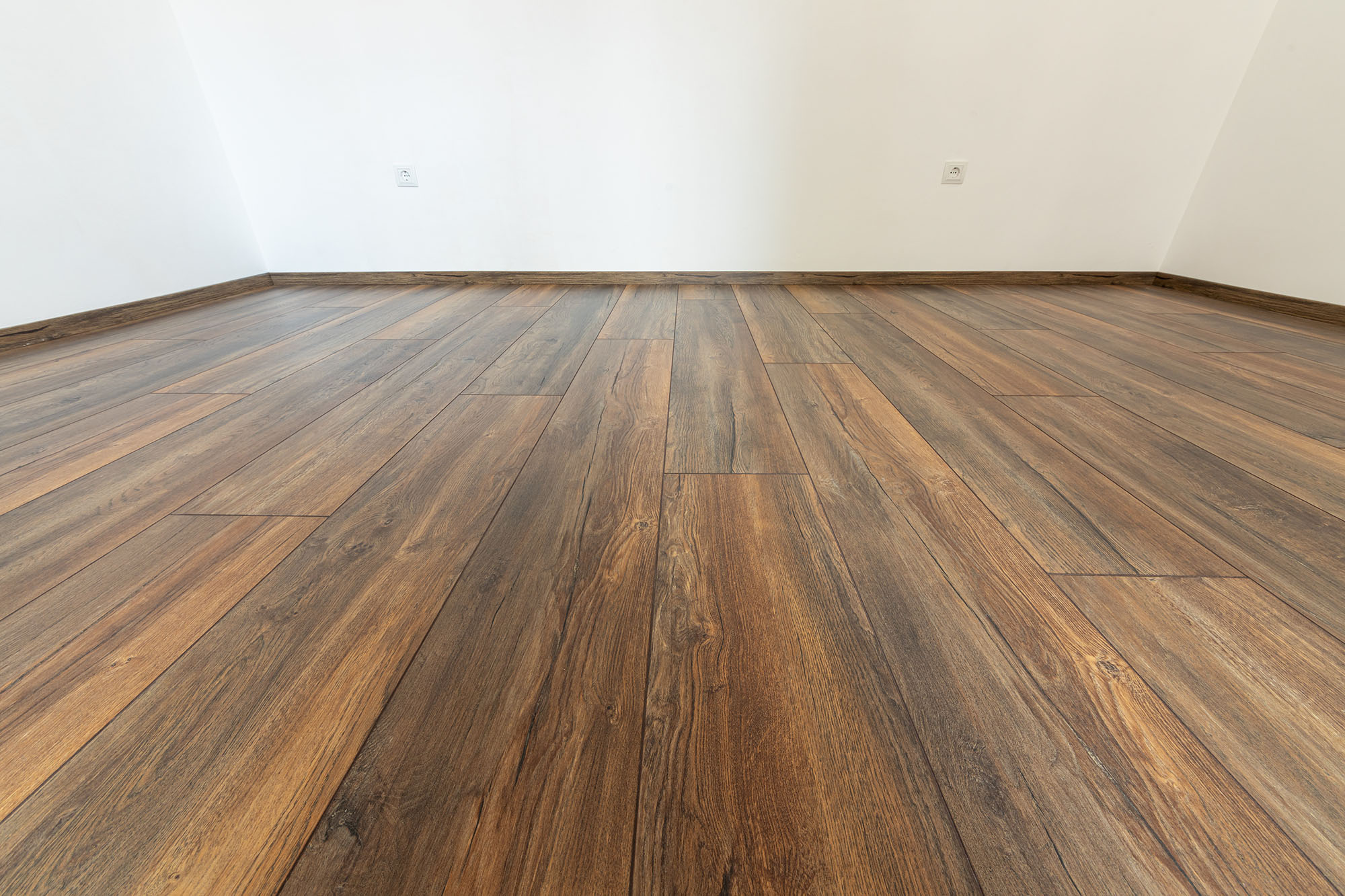
A More Natural Look for Modern Pacific Northwest Homes
Hardwood flooring has a way of making a home feel established, warm, and connected to the materials found in nature. Yet the appearance of hardwood can change dramatically depending on its color, grain, plank width, and finish. For homeowners in Lynnwood, Washington, choosing the right combination means looking beyond a sample's first impression and considering how the floor will work with the home's architecture, natural light, and everyday routines.
A growing direction in flooring design favors natural wood tones, softer finishes, and the visible character of the wood itself rather than highly glossy surfaces or strongly artificial colors. This approach works across many interiors, from contemporary open-plan homes to traditional rooms with detailed trim and established furnishings.
The objective is not to follow a trend for its own sake. It is to choose a floor that feels appropriate for the home today while remaining appealing as furniture, wall colors, and decorative styles change over time.
Why Warm Wood Tones Are Gaining Attention
Cool gray flooring has been a familiar choice in contemporary interiors, but warmer wood tones offer a different atmosphere. Honey, natural oak, soft caramel, and medium brown shades can make a room feel grounded without appearing overly dark or formal.
Warm tones also provide flexibility. They can complement white walls and simple cabinetry, soften a room with black accents, or create continuity between traditional wood furniture and more modern finishes. Rather than dominating the design, a natural-looking floor can become the foundation that helps other elements feel connected.
The key is to consider undertones. Some woods lean golden, others reddish, and some have more neutral brown or beige characteristics. These differences become noticeable when the flooring meets cabinets, wall paint, countertops, and furniture.
Before making a final selection, compare samples beside the finishes that will remain in the room. A floor that looks beautifully neutral in isolation may appear noticeably yellow or red beside a particular paint color.
Choose a Wood Species That Suits the Design
Different wood species have distinct grain patterns, color characteristics, and natural variations. Oak is a popular choice because its grain can complement both traditional and contemporary interiors. Other species offer their own visual character, from more subtle patterns to pronounced grain and color variation.
When comparing hardwood options, look at more than the overall color. Examine the grain, knots, natural markings, and variation between boards. These characteristics influence whether the floor feels understated, rustic, formal, or expressive.
A relatively consistent grain pattern may work well in a minimalist interior where the architecture and furniture provide the main visual interest. More pronounced character can add depth to a room with simple furnishings and neutral walls.
The species should also be evaluated alongside the product's construction and finish. Different hardwood products have different performance and maintenance requirements, so appearance should be considered together with the intended application and the manufacturer's recommendations.
Consider Wider Planks and the Scale of the Room
Plank width influences the visual rhythm of a hardwood floor. Wider boards create fewer visible seams across a given area and can emphasize the length and openness of a room. Narrower boards may produce a more traditional, detailed pattern.
Neither format is automatically better. A wide plank can feel expansive in an open living area, while a narrower format may suit the proportions and character of an older home. The final effect also depends on ceiling height, furniture placement, the dimensions of the room, and the direction of installation.
Longer boards can contribute to a more continuous appearance, although actual board lengths vary by product. The layout should account for the room's shape and the placement of doorways, cabinets, and other fixed features.
Ask to see multiple boards together rather than judging a floor from a single sample. The repeating pattern and natural variation become much clearer when several pieces are viewed as a group.
Why a Matte or Low-Sheen Finish Can Feel More Natural
A floor's sheen changes how its color and grain are perceived. High-gloss finishes reflect more light and can create a polished appearance, while matte and low-sheen finishes often provide a quieter look that emphasizes the wood's natural character.
Lower-sheen finishes can be especially appealing in rooms with substantial daylight, where strong reflections may otherwise become distracting. They can also complement interiors built around natural textiles, understated furniture, and warm neutral colors.
However, sheen alone does not determine how well a floor hides dust, scratches, or everyday wear. The species, color, grain pattern, surface texture, finish formulation, and maintenance routine all influence the floor's appearance over time.
When comparing finishes, examine samples under both natural and artificial light. Consider how the floor will look at different times of day and whether its appearance complements the room's existing surfaces.
Coordinate Hardwood with Walls, Cabinets, and Furniture
Hardwood occupies a large visual area, which means it can influence the entire room's color palette. The easiest way to create a cohesive interior is to establish a relationship between the floor and the finishes around it.
Warm oak tones can pair well with cream, beige, muted green, and other earthy colors. A medium brown floor may provide contrast against light cabinetry, while a paler natural finish can help darker furniture stand out.
Matching every wood surface exactly is rarely necessary. In fact, using slightly different wood tones can make a room feel more layered and natural. The important consideration is whether the undertones and visual weight work together.
If the room already contains prominent wood furniture, compare samples beside those pieces. If the walls or cabinets will be repainted, select the flooring and paint colors together whenever possible.
Think About the Pacific Northwest's Moisture Conditions
Homes in the Lynnwood area experience seasonal changes in weather and indoor conditions, making moisture management an important part of hardwood planning. Wood responds to changes in its environment, and excessive or uneven moisture can contribute to movement, gaps, cupping, or other problems.
This does not mean hardwood is unsuitable for the region. It means the product and installation must be appropriate for the home. Subfloor moisture, indoor humidity, acclimation requirements, and the manufacturer's installation instructions should be considered before work begins.
Entryways and other areas where wet shoes or tracked-in moisture are common deserve particular attention. Mats can help capture water and debris, while promptly cleaning spills helps reduce unnecessary exposure. These precautions do not replace the need to select suitable flooring for each location.
Bathrooms and other consistently wet areas require especially careful material selection. Traditional hardwood should not automatically be assumed appropriate for every moisture-prone space.
Compare Solid and Engineered Hardwood
Solid hardwood is made from a single piece of wood, while engineered hardwood uses a real-wood surface over a constructed core. Both offer genuine wood appearance, but their construction and installation requirements differ.
Engineered hardwood can be suitable for certain environments where dimensional stability is an important consideration, although performance depends on the specific product, core construction, installation method, and environmental conditions. Solid hardwood has its own installation requirements and may offer different refinishing possibilities depending on its thickness and condition.
Neither option should be chosen solely because of a general claim about durability. Review the manufacturer's specifications, intended applications, moisture requirements, and maintenance guidance for the actual product.
The existing subfloor, room location, and planned installation method can help determine which option makes sense for your project.
Plan for Long-Term Care
Hardwood can remain attractive for many years when it is maintained according to the product's requirements. Regularly removing dust and grit helps reduce surface abrasion, while furniture pads may help limit scratches from moving chairs and tables.
Cleaning products should be appropriate for the finish. Excessive water, steam cleaning, or harsh chemicals may be unsuitable for some hardwood products. Follow the manufacturer's instructions instead of assuming that every floor can be cleaned in the same way.
It is also helpful to keep the product name and installation information. These details can be useful if repairs, replacement boards, or future maintenance are needed.
Find the Right Hardwood for Your Home
The appeal of hardwood lies in its natural character, but choosing the right floor requires more than selecting a popular color. Species, plank dimensions, finish, construction, installation conditions, and the surrounding interior all influence the final result.
By comparing warm tones, examining multiple boards, and planning for the home's environmental conditions, Lynnwood homeowners can choose hardwood that feels authentic and fits their everyday needs.
Explore the
hardwood flooring options at NW Floor Coverings to begin comparing styles and finishes. To discuss your project and the factors that may affect your selection, visit the
contact page.