

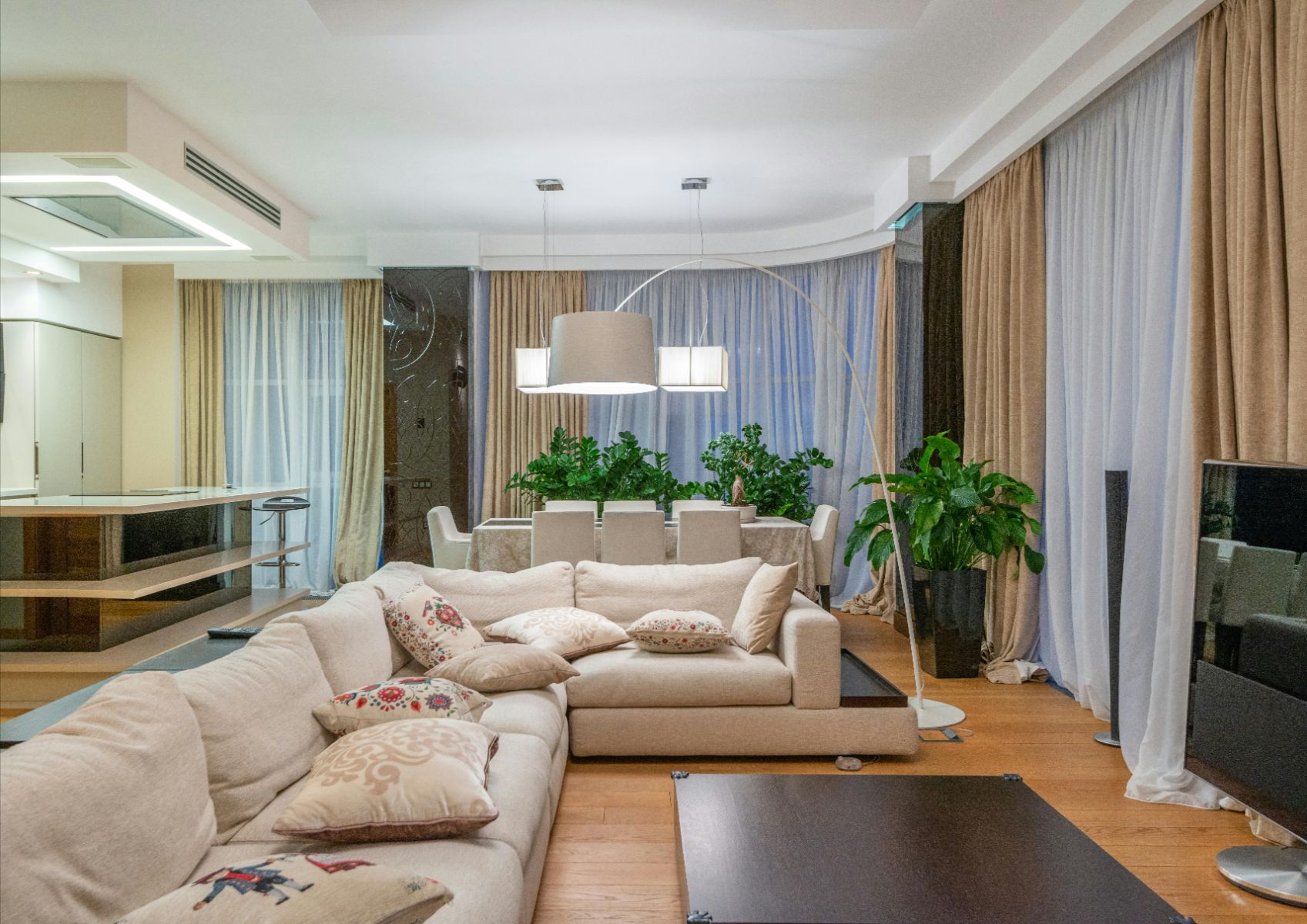
Homes don’t need to commit to a single flooring type to feel cohesive. In fact, some of the most balanced interiors use both hardwood and carpet strategically — creating flow where it matters and comfort where it counts.
Hardwood shines in shared spaces. Living rooms, kitchens, and hallways benefit from durability and visual continuity. Carpet thrives in bedrooms, bonus rooms, and spaces meant for relaxation. The key is designing transitions that feel intentional rather than abrupt.
Color coordination sets the foundation. When wood and carpet tones complement each other, the home feels unified. Warm woods pair well with neutral carpets. Cooler wood tones align with soft grays or textured patterns. The goal isn’t matching, but harmony.
Transitions deserve attention. Flush transitions create a seamless look between surfaces. Subtle reducers and thresholds protect edges while maintaining visual flow. When transitions are treated as design elements instead of afterthoughts, the entire home benefits.
Texture contrast adds depth. Smooth wood paired with textured carpet creates balance. Patterned carpet can echo grain variation in hardwood, tying spaces together without repetition. This approach prevents monotony while maintaining cohesion.
Practicality drives long-term satisfaction. Carpet in upstairs areas reduces noise. Hardwood on main levels handles traffic and spills. Thoughtful placement extends the life of both surfaces and supports everyday living.
Blending flooring types isn’t about compromise — it’s about customization. With expert planning, homeowners can enjoy the strengths of both wood and carpet while creating a home that feels intentional, comfortable, and refined.


